
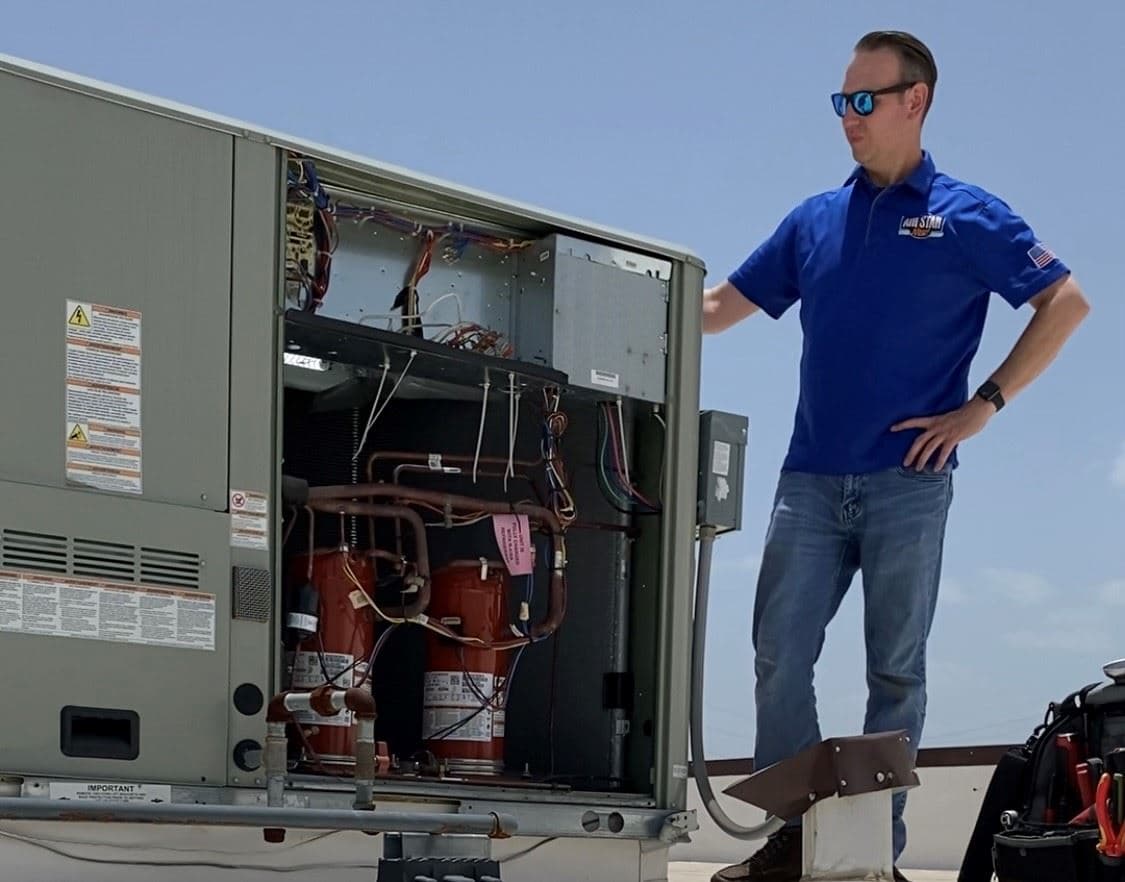
- Most Houston homeowners pay roughly $6,000–$12,000 to install a central air-source heat pump in 2026; high-efficiency variable-speed systems can run $12,000–$16,000 and up.
- Ductless mini-split heat pumps start around $3,500 for a single zone; whole-home multi-zone systems run about $8,000–$18,000 and up.
- Size (tonnage), efficiency rating (SEER2/HSPF2), ductwork condition, and electrical work move the price far more than the brand name does.
- Heat pumps are a strong fit for Houston — mild winters and long, humid summers mean one efficient system handles both heating and cooling.
- The federal heat-pump tax credit (25C) ended for systems installed after December 31, 2025, so a 2026 install does not qualify; check current utility rebates and financing instead.
How much does a heat pump cost in Texas in 2026?
For a typical Houston single-family home, most people pay somewhere between $6,000 and $12,000 to install a new central air-source heat pump in 2026. That is the installed price — equipment, labor, and permit — not the equipment sticker alone.
Here is how the range tends to break down by efficiency and stage:
- Standard efficiency (single-stage, around 14.3–15.2 SEER2): roughly $6,000–$9,000 - Mid-tier, two-stage (about 16–17 SEER2): roughly $9,000–$12,000 - High-efficiency variable-speed / inverter (18+ SEER2): roughly $12,000–$16,000 and up
Those are honest ballparks, not a quote. The only way to know your real number is a proper look at your home — its size, ductwork, and electrical setup. We give free, upfront estimates and we will never invent a number to pressure you into a bigger system than you need.
What affects the price of a heat pump in Houston?
Two homes on the same street can get very different heat pump quotes, and it usually comes down to a handful of real factors — not the brand name on the box:
- System size (tonnage): Bigger or poorly insulated homes need more capacity. Size is set by a load calculation, not a guess. - Efficiency rating (SEER2 for cooling, HSPF2 for heating): Higher-efficiency equipment costs more up front but lowers your summer electric bill. - Single-stage vs. two-stage vs. variable-speed: Variable-speed systems run quieter, dehumidify better, and cost more. - Ductwork condition: Leaky, undersized, or aging ducts may need repair or replacement, which adds to the job. - Electrical work: Converting from a gas furnace or upgrading an older panel can add cost. - Air handler or coil replacement: If the indoor unit is being replaced too, that is part of the price.
A straight equipment swap on a home with good ducts sits at the low end. A conversion from gas heat with duct and electrical work sits at the high end. When we quote you, we show you which of these apply and why — no mystery line items.
Ductless mini-split vs. central heat pump: what's the cost difference?
Not every home needs a full central system. Ductless mini-split heat pumps are a common option for room additions, garages, converted spaces, or homes without existing ductwork.
- Single-zone mini-split (one indoor head): roughly $3,500–$7,500 installed - Multi-zone / whole-home mini-split (several indoor heads): roughly $8,000–$18,000 and up
Mini-splits shine when running new ductwork would be expensive or impractical, and they let you heat and cool specific rooms independently. A central heat pump usually makes more sense when your home already has good ducts and you want one system handling the whole house. Neither is automatically 'cheaper' — it depends on your home. We will tell you honestly which path fits, even when it is the smaller sale.
Are heat pumps a good choice for the Houston climate?
Yes — Houston is close to an ideal climate for a heat pump, and here is the plain reason why. A heat pump both heats and cools with a single system, and it is most efficient in mild winters. Our winters are mild. We rarely see extended hard freezes, so the heating side runs efficiently most of the season.
The part of the year that really matters here is the long, humid summer. That heavy cooling load is where a higher-efficiency heat pump earns its keep on your electric bill. And because many Houston homes are already all-electric, a heat pump is a natural fit — no separate gas furnace to maintain.
One honest caveat: on the rare hard-freeze days when temperatures drop into the 20s, a heat pump leans on electric backup ('auxiliary') heat, which costs more to run for those few days. In our climate, those days are few — so over a full year, the efficiency wins out for most homeowners.
What rebates, tax credits, or financing can lower the cost in 2026?
Here is the honest 2026 picture. The federal heat-pump tax credit (the 25C Energy Efficient Home Improvement Credit) that helped homeowners through 2025 ended for systems installed after December 31, 2025, so a 2026 installation does not qualify. We would rather tell you that plainly than let you budget around money that isn't there.
What can still help:
- Utility rebates: Your electric provider — CenterPoint Energy for most of the Houston area — has offered efficiency rebates on qualifying systems in the past. These programs change, so we will check what is active when you install. - Manufacturer promotions: Equipment brands run seasonal rebates and instant discounts at certain times of year. - Financing: Spreading the cost over monthly payments can make a higher-efficiency system affordable without a big lump sum up front.
Because incentives shift year to year, we will always verify what actually applies to your job before we promise you a dollar figure. If you want current numbers, call us at (713) 929-9595 and we will walk you through it.
Heat pump vs. AC and furnace: operating cost and lifespan
A heat pump replaces both your air conditioner and your heater with one system, which changes the math a bit compared to a traditional AC-plus-gas-furnace setup.
On operating cost: in Houston's mild winters, a heat pump heats your home efficiently, and a higher SEER2 rating trims the summer cooling bill that dominates our year. For most all-electric homes, that adds up to competitive or lower yearly running costs — with the freeze-day exception noted above.
On lifespan: expect roughly 10–15 years from a heat pump in Houston. Because our systems run hard nearly year-round — heavy cooling all summer plus heating in winter — total runtime is higher than in milder states, so honest maintenance matters. Annual tune-ups, clean filters, and correct sizing are what push a system toward the top of that range instead of the bottom.
The short version: a heat pump is one system doing two jobs, sized and installed right, maintained yearly. Do those three things and it will serve your family well through a lot of Houston summers.
Related questions
For most Houston winters, yes. Mild temperatures are exactly where heat pumps are most efficient, and you skip a separate gas furnace entirely. On the rare hard-freeze days the system leans on electric backup heat, which costs more, but those days are few here. Across a full year, the long cooling season matters far more to your bill, so a higher-efficiency heat pump usually comes out ahead.
There is no honest way to size a system from square footage alone. A proper load calculation (Manual J) accounts for your home's insulation, windows, ceiling height, ductwork, and sun exposure. Oversizing is a common shortcut that leaves your home humid and drives up your bill. We measure it right before we quote you — never a guess.
Typically about 10–15 years here. Houston heat pumps run hard nearly year-round — heavy cooling all summer plus heating in winter — so total runtime is higher than in milder states. Annual tune-ups, clean filters, and correct sizing are what stretch a system toward the top of that range instead of the bottom.