
An inspection is a report, not a repair
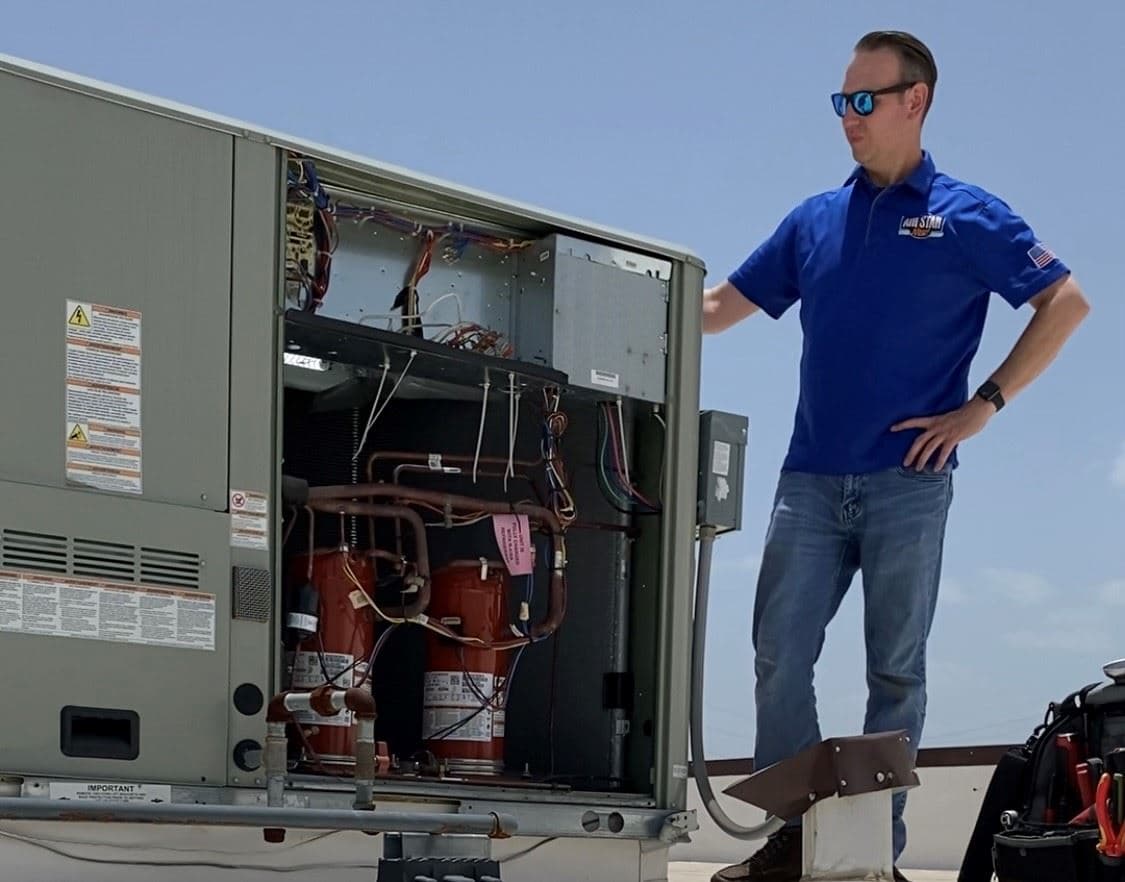
We come out, open the equipment, take readings, photograph what matters and write down what we found. Nothing is dismantled beyond what a proper look requires, and no repairs happen unless you ask for them separately.
The point is that you end up holding facts: equipment age, refrigerant type, the state of the coils and the drain, what the electrical looks like, how the ducts are performing, and which items are urgent versus which are simply on the horizon.
When an inspection is worth paying for
Before you buy a house. A general home inspector confirms the system turns on and blows cold air. That is a reasonable check, and it is not the same as opening the electrical, reading the charge and telling you the condenser is fourteen years old and rusting at the base pan.
As a second opinion on a replacement quote, an independent look is the cheapest insurance available. Sometimes we confirm it. Sometimes we find a repair that solves it. Landlords also use inspections between tenants, and after hail or wind, readings and photographs taken before anything is touched are worth having.
What we document
Equipment identity first: model and serial data, manufacture date, capacity and the refrigerant it was built for. Older systems designed for R-22 get flagged, because that refrigerant is scarce now and any repair involving it changes the math on repair versus replace.
Then condition and performance: coil cleanliness, drain and pan, capacitor and contactor state, wiring and disconnect, base pan corrosion, line set insulation, blower and filter, temperature split across the indoor coil, and the state of the duct work above your ceiling.
What you do with the result
You get a plain summary: what is fine, what needs attention now, what to budget for, and what we would do if it were our house. No sales pressure attached, because an inspection you cannot trust is worth nothing to either of us.
If the report leads to work, you can have us do it or take the findings to anyone you like. That is your call and it does not change what we write down.
What the inspection covers
- Age and identityModel and serial data, manufacture date, capacity and refrigerant type.
- Electrical conditionBreaker, disconnect, wiring, contactor, capacitor and measured amp draw.
- Coils and drainageIndoor and outdoor coil condition, drain line, overflow pan and safety switch.
- Performance readingsTemperature split, refrigerant pressures and any evidence of a leak.
- Duct systemAttic duct condition, obvious leaks, crushed runs and return sizing.
- Safety and structurePad and level, base pan corrosion, line set insulation and clearance around the unit.